A nutrient with several roles
Vitamin D helps the body absorb calcium. It also has roles in muscle, nerve and immune function. These normal functions do not mean a vitamin D supplement prevents or treats an infection.
Food, sunlight and supplements
Sources include fatty fish, some fortified foods and supplements. The skin can also make vitamin D with sunlight exposure, although many factors affect how much is produced. NIH does not recommend relying on unprotected sun exposure to meet your needs.
Understanding the label
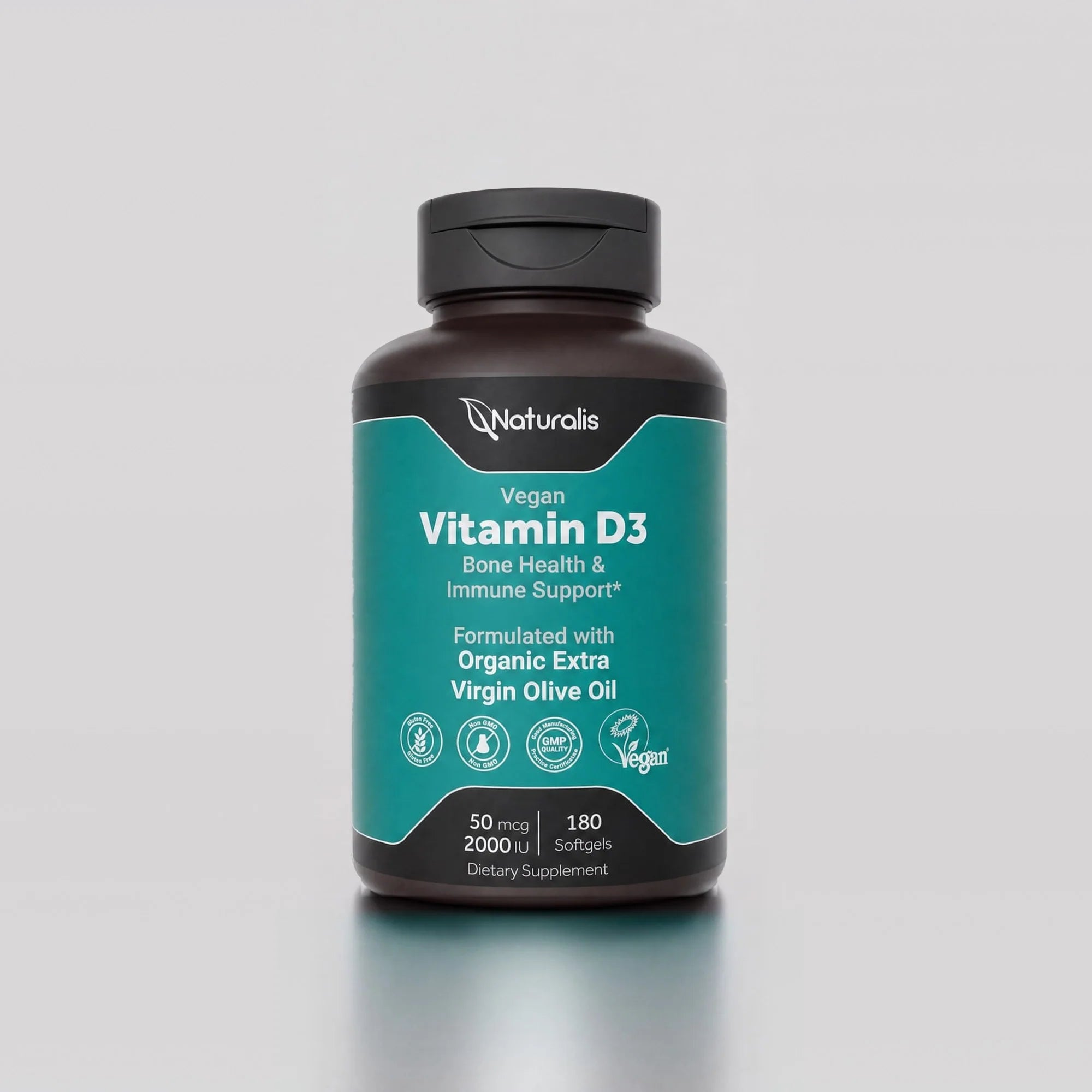
Vitamin D amounts can be written in micrograms and International Units. One microgram equals 40 IU, so 50 mcg equals 2,000 IU. This conversion describes an amount; it is not a recommendation that everyone take that dose.
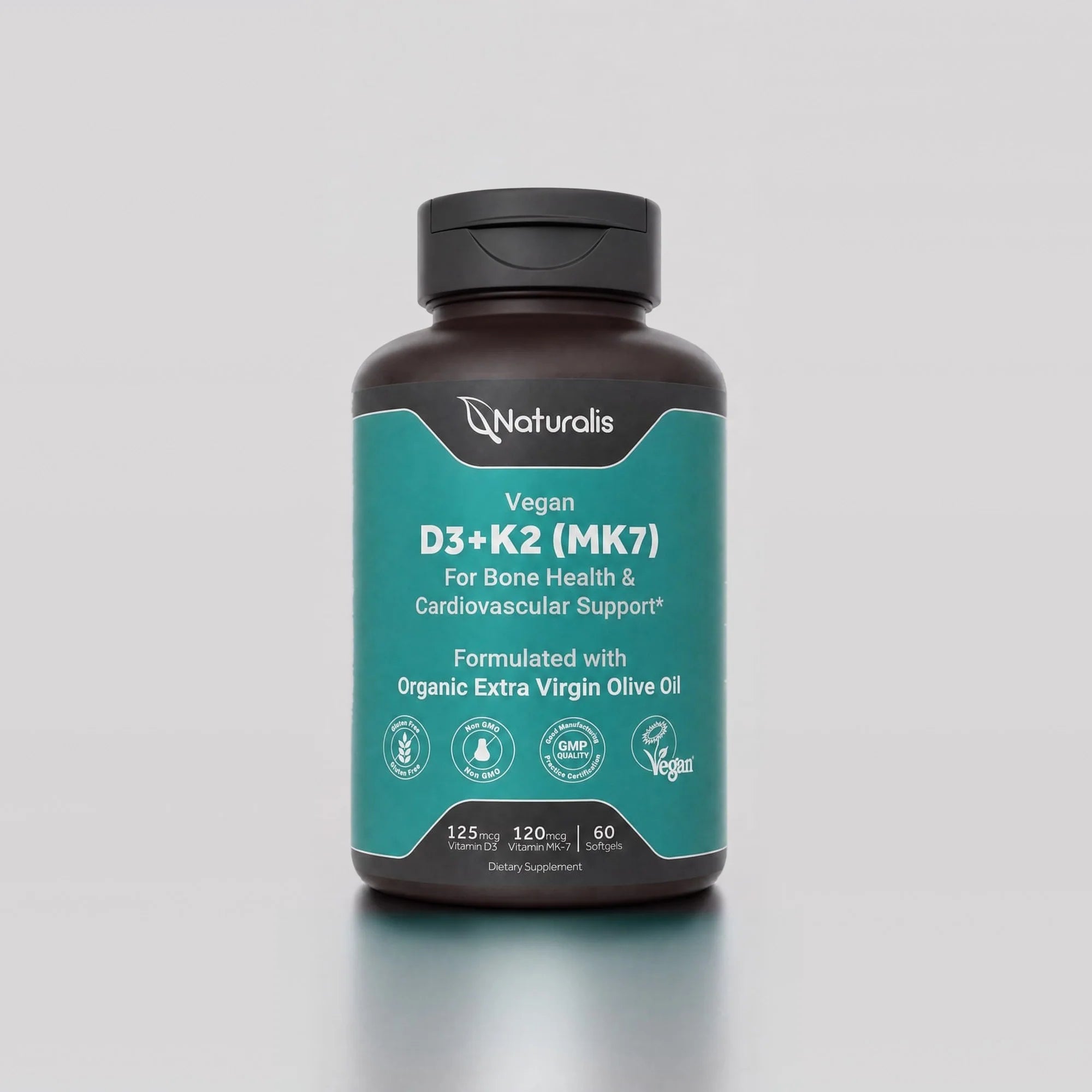
Naturalis has several vitamin D formulas and strengths. Check the selected product’s Supplement Facts, source and other ingredients before comparing it with another bottle.
Choose a dose with context
Your needs depend on factors including age, diet and health. Excessive supplemental vitamin D can be harmful. A clinician can help determine whether a supplement or a blood test is appropriate for you.
Use the directions on your bottle and include other vitamin D sources when discussing your routine.
General education. For advice about your health or medicines, speak with a qualified healthcare professional.